In practice it is a straightforward affair. You check in, put in the time on forms, set out your goals and medical history, undergo a physical exam with some focus, and then you will be shown what treatments are on offer. There is discussion of risks and cost and what recovery entails before you depart to mull it over. One should be informed at a good consultation, not hurried along. Take note if it has the air of a hard sell.
My name is Cassian Holt. Put plainly, a first cosmetic consultation is as much a reality check and a planning session as a medical assessment. The worthwhile ones put things in perspective: what can be done and what cannot, the price in AUD, and whether or not you have any confidence in the clinician to look after your face or body. To learn more, read about expect at your first cosmetic. That is of more consequence than the nice furniture in the waiting room or a few glossy before-and-afters.
Start With The Right Mindset
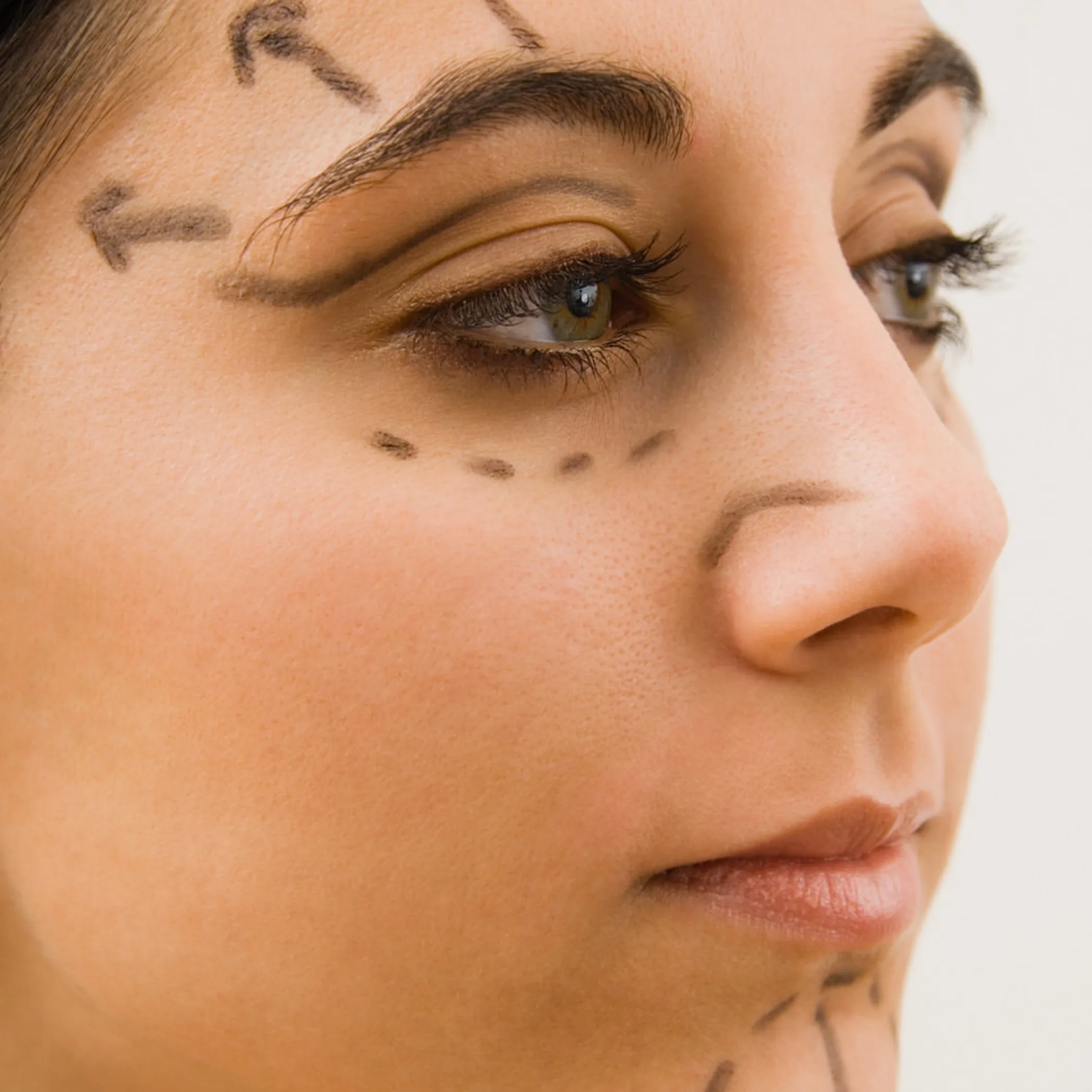
You might as well understand the point of the appointment before you get to the forms and photos. It is not the occasion to be cajoled into something dramatic on the strength of someone’s hospitality with a cup of tea and good lighting in reception.
The whole idea is to manage expectations. A competent cosmetic consultation will lay out your suitability, probable results, the risks and complications and how long you will be down for. And it will tell you when a treatment is not for you; good judgement trumps charm every time.
What The Appointment Is Really For
Be it for plastic surgery or injectables or skin work, the initial visit is an assessment. In most clinics you will not be having a procedure that day, certainly not for surgery. The clinician needs to collect the data to put together a plan and determine you are fit for it in every way.
Then there is the matter of sizing up the practitioner, which is overlooked by some. This is not an audition for their approval. You want to see if they are forthcoming with answers, explain themselves well and are concerned with safety rather than making a sale.
How To Prepare Properly
Some preparation is called for so the consult does not devolve into a fog of “I’ll have to get back to you on that” and second guessing.
It is the unglamorous details that trip people up: the logistics of parking, medication lists, past procedures and making sure you can make it home after any tests or minor same-day treatment.
Bring The Right Information
Practicality is better than trying to be impressive at a cosmetic consultation. Have a photo ID and any referral at hand, as well as a record of your medical history, allergies, medications and supplements and any prior cosmetic or surgical work. If you have had trouble with anaesthesia or scarring or wound healing, do not mince words about it.
Reference photos are fine but use them in the right way. They are to indicate a style you are drawn to, not to put in a demand for another person’s jawline or stomach. I have seen all too often in a first plastic surgery consultation the error of proffering a heavily doctored celebrity shot as though it were a blueprint. People are not flat as a pancake.
Plan The Trip And Timing
Do not be bound by the booking slot. An hour and a half is not uncommon once you factor in check-in and the rest, even if the clinic has put 45 minutes down. A non-surgical review may be quicker, but surgical planning and imaging will take its time.
And think about transport. Parking in a metro area can be expensive and scarce. Public transport is less aggravating if nerves are already frayed. Enquire if there are stairs or a lift is hard to come by. You will not think it fussy when you are ten minutes late and hot under the collar going round the block.
Check-In And Paperwork
Not exactly exciting but it is revealing of the clinic’s ways. Orderly forms, a front desk that is well run and clear on privacy are indicative of how they do business. The first order of business in a consultation is the necessary administrative side of things: consent forms for privacy, photography and assessment, and the like. Do not mistake it for red tape; it puts in place a safe record so the clinician can be guided by facts as opposed to recollection when making decisions.
Typical First Visit Flow
For an idea of what to expect at a cosmetic consultation, the typical flow is as follows.
| Stage | What Happens | Realistic Time | What To Watch For |
| Arrival | Confirming appointment, ID and check-in | 5–10 minutes | Any parking hold-ups, uncompleted forms |
| Paperwork | Consent and photo permission, medical history | 10–20 minutes | Look out for omissions on medication or past procedures |
| Assessment | To discuss goals and concerns and have a physical exam | 15–30 minutes | Vague answers, a rush, lack of questions from the clinician |
| Planning | Risks, cost, recovery and the treatment plan | 15–30 minutes | The possibility of being put on the spot to book |
| Wrap-Up | Scheduling, pre-op instructions, quote and next steps | 10–15 minutes | Make sure you have something in writing before you leave |
Should one’s time be limited to a day of clinic comparisons, the quality of the consultation is what to put first, not the décor. You will find more value in a no-nonsense patient coordinator, a clinician with direct answers and costings in black and white than in a showroom ambience.
Medical Review And Examination

In this part of the appointment matters become clinical. A cosmetic consultation is healthcare and should be treated as such, setting aside any friendliness in the room. The clinician is going to do a focused physical of the area in question and go over your medical history. In the case of surgery he or she may look at tissue thickness, symmetry, skin quality, old scars and overall suitability; for facial work, proportions, muscle movement and condition of the skin.
Why Your History Matters
There is a tendency for some to downplay previous procedures, weight fluctuations, supplements, vaping or smoking on the grounds that it is embarrassing or of no consequence. It is not. Nicotine has an impact on wound healing and blood flow, certain supplements can make you bleed more easily and past operations alter scar patterns and anatomy. These are the details that determine safety and the outcome.
Current Australian health guidance consistently stresses the importance of informed consent and medicine safety. For example, the Therapeutic Goods Administration is the official regulator for therapeutic goods in Australia, including medicines and medical devices relevant to cosmetic practice. That matters when treatments involve prescription products, implants or regulated devices.
Modesty And Practical Exam Details
One is often asked in hushed tones, as though the fern in the corner were to pass judgement, if full exposure is required. As a rule, no. Draping is employed where called for, though the area under review must be seen. A good clinician will tell you what they need to examine and the reason for it; if there is discomfort, make it known.
Dress simply. For an assessment of the skin, body contouring or breasts, put on something you can change out of with ease. There is little point in donning a complicated jumpsuit unless one fancies having to wrestle with it in a confined space beneath fluorescent lights.
Goals, Options And Reality
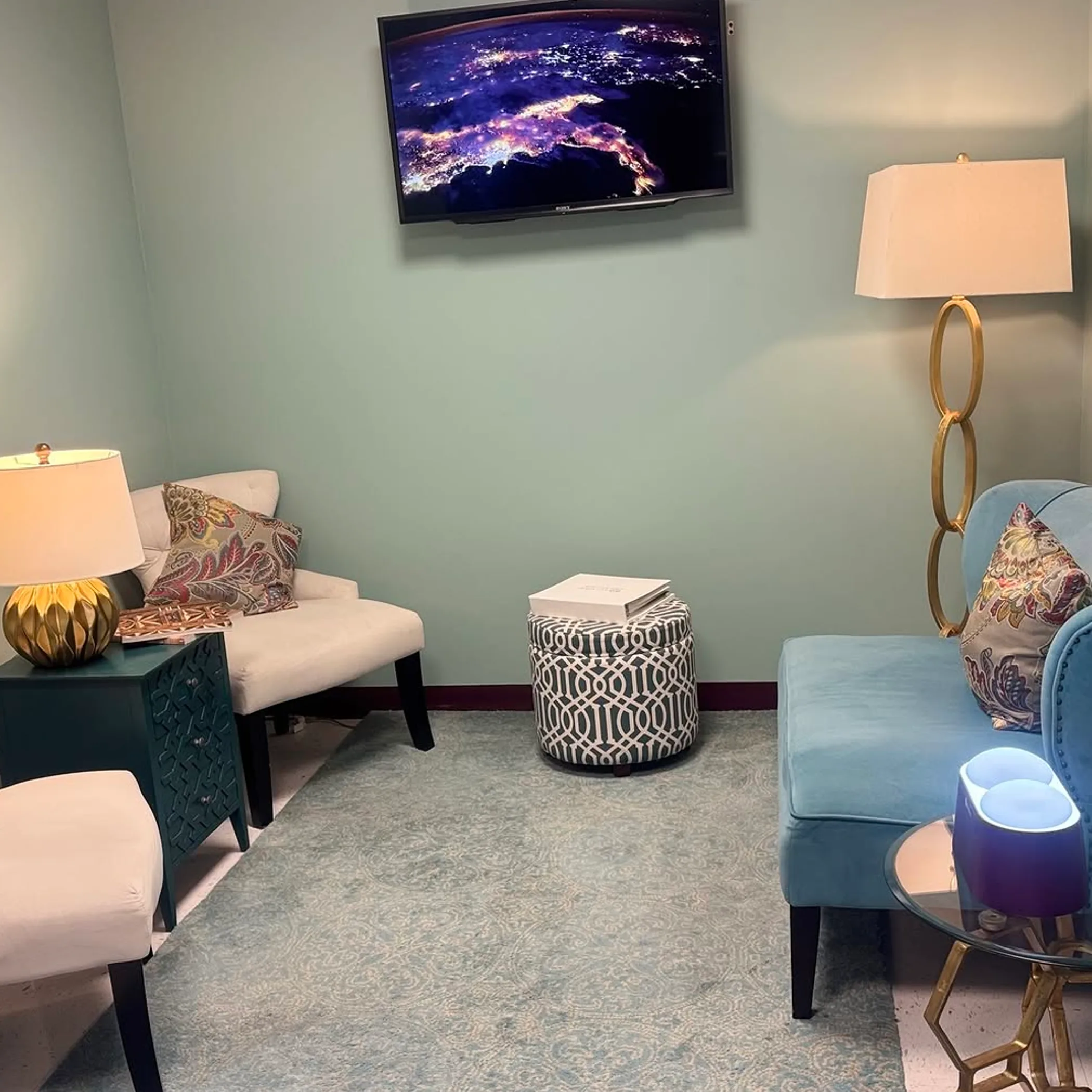
Here is where the substance of the visit lies, and where hopes come up against biology, the budget and anatomy. It is a matter of talking through what you want and what is bothering you and the means to achieve it. An adept clinician will not stop at what you object to but will probe as to why the change is desired, for how long, and if the expectation is sound.
From Concern To Treatment Plan
The plan put forward could be to have surgery or a non-surgical option, or perhaps to put off action and attend to skin health or nicotine use first. 3D imaging is put to use by some clinics for breast or facial work to illustrate the likely changes. It is a planning aid, not a guarantee.
Relevant before-and-after photos are another matter. Request to see patients who were in a similar position to you, not the clinic’s highlights. The angle, lighting and stage of healing are all factors. What is technically a fine result may not live up to a fantasy conjured from filters and wishful thinking. Approaching local experiences without marketing spin is equally important; for a transparent look at regional travel, explore Things to do in brisbane: the version nobody advertises.
Who This Is For
Those after a careful assessment and room to make up their mind will find a cosmetic consultation well suited to them. It is not for the person who wants to be assured by Friday that every insecurity can be put right. When there is body image distress or outside pressure, it is better to take it slow.
Questions Worth Asking

For all the money, grief and the occasional unpleasant surprise this section can spare you, it is worth a read. One sees too many who have been to a consultation with an idea of the clinician’s approach to skincare yet are in the dark as to how matters of risk, recovery and overall cost will play out.
If you are searching for questions to ask plastic surgeon appointments, focus on qualifications, experience, alternatives, complications, aftercare and what happens if things do not go to plan. You are not being difficult. You are being sensible.
“Tell me what I can realistically expect and where the limits are.”
“Are you board-certified or properly registered and trained for this in your jurisdiction?”
“How frequently do you carry out this kind of operation?”
“What sort of risks and complications am I looking at?”
“Who is putting in the anaesthesia and what options do I have?”
“Give me an estimate of the recovery in days, weeks and months.”
“What is covered in terms of post-op review and care?”
“Should I have any concerns after hours, who is my point of contact?”
“May I look at some before and afters from patients in a similar position?”
“And if a revision is called for, what would I be put to in costs?”
A bit of online research will turn up the likes of ASPS, the American Board of Cosmetic Surgery, Dr. Karen Horton or Wendy Gottlieb, as well as St. Charles, Granite Bay, Boynton and Dr. Monhian. While these make for good reading, do not be under the impression that overseas titles hold water in Australia; check the local registration, scope of practice and clinic processes for yourself.
Fees, Finance And Booking
Time to put on the spreadsheet hat. The cost of a cosmetic consult is not uniform, it will depend on the provider and the location, and whether it is of a surgical nature. Some clinics will let you put the fee against a later treatment, others will not. You may get a firm quote then and there or have to wait for one. Have them put a written breakdown in front of you in AUD covering everything from the surgeon and facility to the anaesthetist, any garments or medication and follow-ups.
Typical Cost Questions
The headline figure is not the whole story. Put to them whether the total could be altered by longer theatre time, pathology, scar care or extra dressings. Should they put forward financing, find out the full repayable sum and not just the weekly amount that seems harmless until it is not.
What follows is a guide to the expense items that are easily overlooked.
| Item | What It May Include | Why It Matters |
| Consult Fee | Initial assessment or credit for treatment | Your true starting cost |
| Procedure Fee | The surgeon or provider charge | Makes up the bulk of the price |
| Facility And Anaesthesia | Theatre, sedation etc. | A considerable addition for surgery |
| Recovery Costs | Prescriptions, transport, garments | Tends to be left out of the budget |
| Time Off Work | Wages foregone in recovery | A real cost once the surgery is done |
| Revision Policy | Any extra fees and the review process | In case the outcome requires it |
Most people err in their budgeting by accounting for nothing but the procedure. There is the matter of lost wages, getting help at home, or making repeated trips to the clinic. If you are coming from a regional area for a cosmetic surgery consult, travel and accommodation become part of the equation.
After The Visit

There is no need to book on the spot. It is quite normal and in some ways prudent to leave without doing so. Once the nerves have subsided a good consultation has provided ample information for clear thinking. Make sure to put down in writing or have a summary of the proposed treatment plan, any risks and pre-op instructions that pertain to you, post-op care, an idea of your recovery time and the quote before you head home. And should anything be unclear, do not leave without getting it put right.
What The Next Steps Usually Look Like
In the wake of a consultation there is often a cooling off period or the need for a second opinion, more photos, pathology, imaging or the go ahead from a specialist, as the procedure dictates. Should surgery be on the cards, when it gets scheduled is a matter of operating lists and your own availability, and whether one has to first put some housekeeping in order: stop smoking, make changes to medication or arrange for support at home.
One also needs to be practical about the recovery side of things. Is there someone to drive you? To see to the children? Are stairs an issue? Have you put in for enough leave? Any procedure with a good deal of downtime is not for the unprepared if there is no support and no plan in place. It is not being dramatic, it is simply a question of logistics.
- Review the written plan and quote at home.
- Compare at least one other provider if you are unsure.
- Confirm qualifications, clinic standards and follow-up arrangements.
- Budget for the full episode of care, not just the treatment day.
- Book only when you understand the benefits, limits and risks.
Final Thoughts From Cassian Holt

To put it in short terms: approach the initial cosmetic consultation as a means of gathering information, not some kind of makeover fantasy. That is how you will get to know what is in store for you in terms of suitability, safety and cost, and to see if the clinician is forthcoming.
It may seem simple to say you want to know what to expect but the answer is more than a list of steps. You are finding out if the person opposite you has regard for your health and judgement as well as your time. When the brochures are cast aside and you have to make a decision, that is what counts.
FAQ
What Happens During A Cosmetic Consultation?
As a rule you will check in and fill out the necessary forms, go over your medical history and what you hope to achieve. There will be a physical exam of sorts, an airing of your options and the associated costs, risks and recovery. With surgery the consultation is for assessment and planning, not for having the work done then and there.
How Long Does A Cosmetic Consult Take?
You might find 30 to 60 minutes put down on the appointment book but allow 60 to 90 for the full visit once discussion, photos and so on are factored in. A plastic surgery consult can run longer, particularly where 3D imaging or more than one procedure is in play.
Do They Cover Your Private Parts During Surgery?
Only what is pertinent is generally exposed for the assessment or the operation itself. Draping is the norm and your comfort will be seen to. If you have any misgivings on modesty, ask how they go about the examination.
What Not To Say To A Plastic Surgeon?
For better planning and safer advice, be honest and do not tell him or her what you fancy he wants to hear. Do not omit details of your smoking, medications, supplements or prior work, nor put forward expectations that are not realistic.
What Should I Bring To My First Appointment?
A list of questions, ID if they ask for it, particulars on allergies and your medications and supplements, and any test results or information on past procedures. Reference photos are fine to bring by way of example but do not make of them a demand; use them to start a conversation.
